Farm Life
Why Luxury and Farm Life Were Never Opposites
A meditation on luxury and the land — and why true richness is both collected and cultivated: slow, intentional, and made by hand.

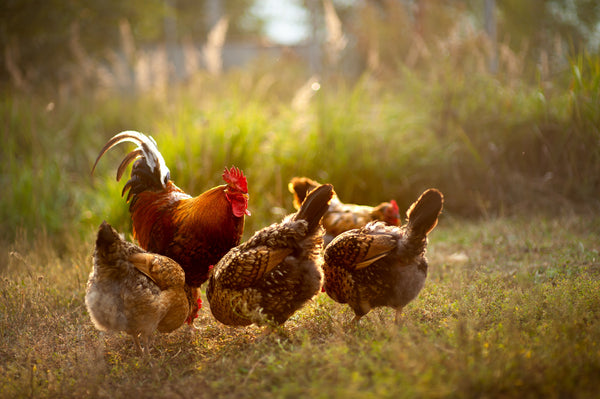
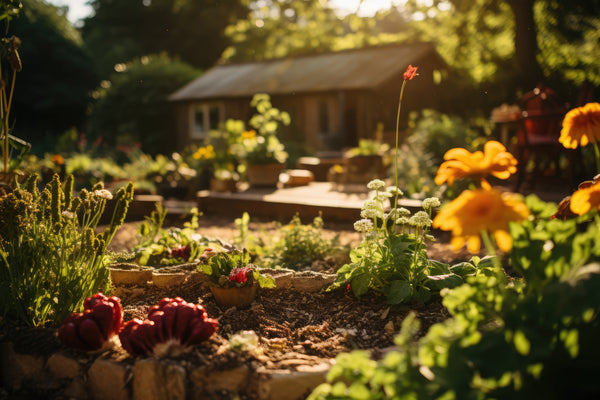
There's a moment most mornings at Valhalla Hall, just after sunrise, when the light comes low and gold across the pasture and turns the whole place to honey. The horses are still shadows along the fence line. The grass is silver with dew. My coffee is hot, my boots are already soaked through, and somewhere a rooster is making an absolute fool of himself. And I stand there, every single time, struck by the same quiet thought: this is the most luxurious moment of my entire day.
People don't expect a woman who spends her working hours building marketing for luxury brands to find her richest moments in muck boots. The two worlds are supposed to be opposites — the polished and the muddy, the rarefied and the rural, the boardroom and the barn. For a long time, I half-believed it myself.
I don't anymore. Because the longer I live with one foot in each, the clearer it becomes: luxury and farm life were never enemies. They were never even strangers. Underneath everything, they are the same thing wearing different clothes.
Let me tell you how I came to see it.
Luxury was born on the land
We've been taught to picture luxury as something urban and gleaming — glass towers, marble floors, things that have never touched soil. But that's a recent costume. For most of human history, the ultimate symbol of wealth wasn't a logo. It was land.
The old aristocracy measured itself in acres. The most aspirational life imaginable was the country estate — the manor, the gardens, the stables, the vineyard. And the great luxury houses we revere today grew straight out of that world. One of the most storied names in French luxury began its life making harnesses and saddles — for horses. Italian fortunes were built on wool and fine fiber grown, quite literally, from animals on the land. The most enduring aesthetic in all of fashion is built entirely around the equestrian country estate: worn leather, old money, horses in the middle distance. And the most expensive things you can put in your mouth — champagne, caviar, truffles, single-origin everything — are, every one of them, agricultural.
Luxury didn't move away from the farm. Industrialization just made us forget it ever lived there.
The horse settles the argument
If you ever want to watch the line between "luxury" and "farm" dissolve completely, look at a horse.
Horses have signaled wealth for thousands of years — the hunt, the racetrack, the polo field, the dressage ring, the impossible elegance of an animal that exists, at the very top end, purely for the love of it. There is nothing more luxury than a horse. And there is nothing more farm than a horse, either: the mucking and the feeding and the five a.m. and the vet bills and the mud that gets everywhere.
I live in Ocala, the horse capital of the world, where the farms are measured in the millions and white fences run clear to the horizon. Out here, "luxury farm" isn't a contradiction anyone would blink at. It's just Tuesday. The most refined thing and the most agricultural thing turn out, in this place, to be the very same animal.
The world is quietly coming home
Here's what tells me I'm not imagining the overlap: the market itself has started moving back toward the farm.
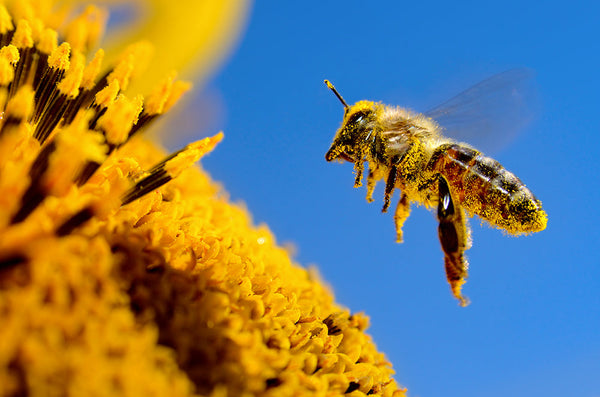
"Quiet luxury" became the defining taste of the moment — understated, beautifully made, no loud logos, the kind of richness that whispers instead of shouts. Farm-to-table went from idealism to the most coveted reservation in any city. Wellness retreats are built on working farms now. Agritourism is booming. People with the means to buy anything are paying a real, eye-watering premium for a single heirloom tomato, a jar of small-batch honey, a weekend spent doing chores they could easily pay someone else to do.
The culture didn't drift away from what I'm living out here. It came looking for it.
Real wealth is the part money can't manufacture
And maybe that's because the genuinely wealthy have figured out what's actually scarce.
You can buy almost anything. You cannot buy space. You cannot buy quiet. You cannot manufacture a sunrise with no notifications in it, or air that smells like cut grass and coming rain, or the particular peace of standing in a field while a horse decides, at long last, to trust you. Time, stillness, clean food, room to breathe — these are the rarest things left, and a farm hands them out for free to anyone willing to do the work.
Land is the oldest luxury there is. It's the one no amount of money can fake.
We had the opposite wrong all along
So if luxury and farm aren't opposites — then what is?
Here's what I've decided. The opposite of luxury was never dirt. It was disposability. Cheap, fast, mass-produced, forgettable, built to be thrown away. That's the true enemy of everything luxury stands for — and it's the true enemy of farm life, too. A homestead and a fine Swiss watch are fighting the same war from opposite ends of the same value: things made by hand, with patience, meant to last and to be handed down.
The dirt under your nails after a day spent restoring something beautiful — a piece of land, an old rose garden, a frightened animal coaxed back into gentleness — is not the absence of luxury. It is luxury. We just confused the word with "clean and easy" somewhere along the way. It was never that. It was always rare, real, slow, and built to outlive you.
The same life, lived twice
So no — the muck boots and the marketing strategy don't belong to two different women. They belong to one, holding the same belief in both hands: that the things worth having are the things you build on purpose, by hand, to last.
That's what I do for the brands I love. It's also what I do at five in the morning with a bucket of feed and a horse who's finally glad to see me. A slower kind of luxury, measured in mornings, not metrics.
Come spend a little time out here in the gold light with me sometime. I think you'll feel it too. There is nothing humble about a life built by design — and there is nothing in the world more luxurious than a sunrise you've earned.